Ash tree inspection, glasgow
It’s now time for homeowners to assess the impact of ash dieback on ash trees in private gardens.
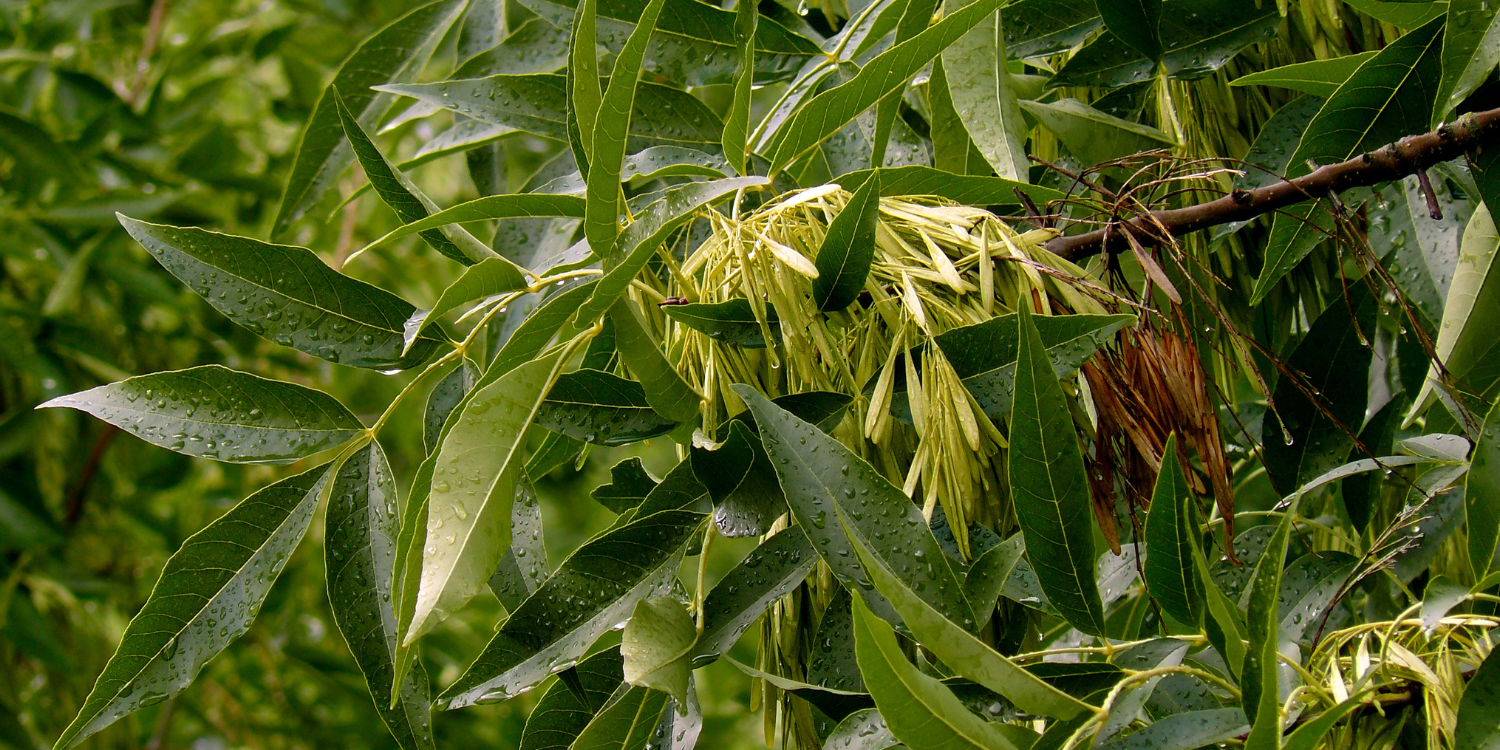
By now you will probably have heard and seen the devastating impact of Ash Dieback or (Hymenoscyphus fraxineus) is having on our beloved ash trees.
Glasgow City Councils tree officers have confirmed a “noticeable increase” of Ash dieback in the city over the last two years. The council have already started a program of removing the most severely impacted ash trees from parks, schools and our roads.
It’s now time for homeowners to assess the impact of ash dieback on ash trees in private gardens.
What is Ash Dieback?
Ash dieback (Hymenoscyphus fraxineus) is a fungus which originated in Asia. Its introduction to Europe about 30 years ago has devastated the European ash tree population, because our native ash trees did not evolve with this fungus and therefore they have no natural defence against it. Currently there is no known efficient prevention or curative treatment.
Ash trees account for 12% of broadleaved woodland in Great Britain and are commonly found in parks, gardens and hedgerows.
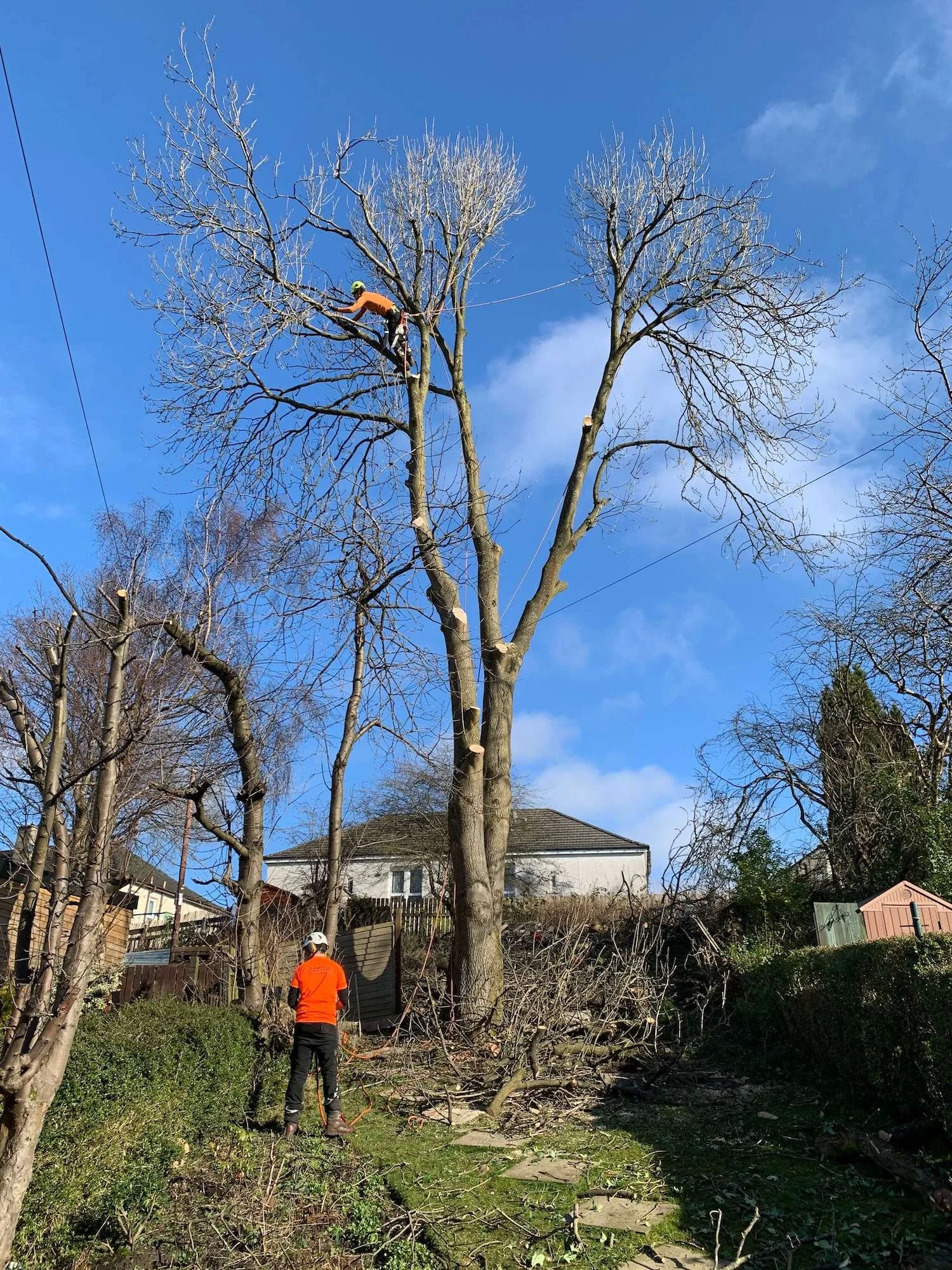
There are about 250,000 Ash trees across Glasgow under both council and private ownership. It is thought more than 30,000 ash trees are to be cut down across Glasgow due the the ash dieback fungus.
It is predicted 4,500 trees annually would be felled over the next seven years. And the huge bill to bring the 31,500 trees down would be between £25 million to £38 million, according to official estimates.
What happens to the tree?
If you own an ash tree, you’ll have noticed the increase of leaf litter on the ground, particularly on ash leaf stalks. The fungus produces small white fruiting bodies between July and October which release spores into the surrounding atmosphere.
These spores can blow tens of miles away. They land on leaves, stick to and then penetrate into the leaf and beyond. The fungus then grows inside the tree, eventually blocking its water transport systems, causing it to die.
The longer this is left unchecked the weaker the tree becomes. Evidence shows that the disease will progress quickly in young and coppiced ash trees, or when growing in ash dominated forests.
However it’s not all doom and gloom for our Ash trees, as trees with slight to moderate symptoms can survive for many years, which underlines the need to monitor the health of ash trees and to focus action on those trees showing significant health issues in higher risk areas. These ‘high risk’ locations, include adjacent to roads, service network infrastructure, buildings, and areas or routes frequently used by the public.
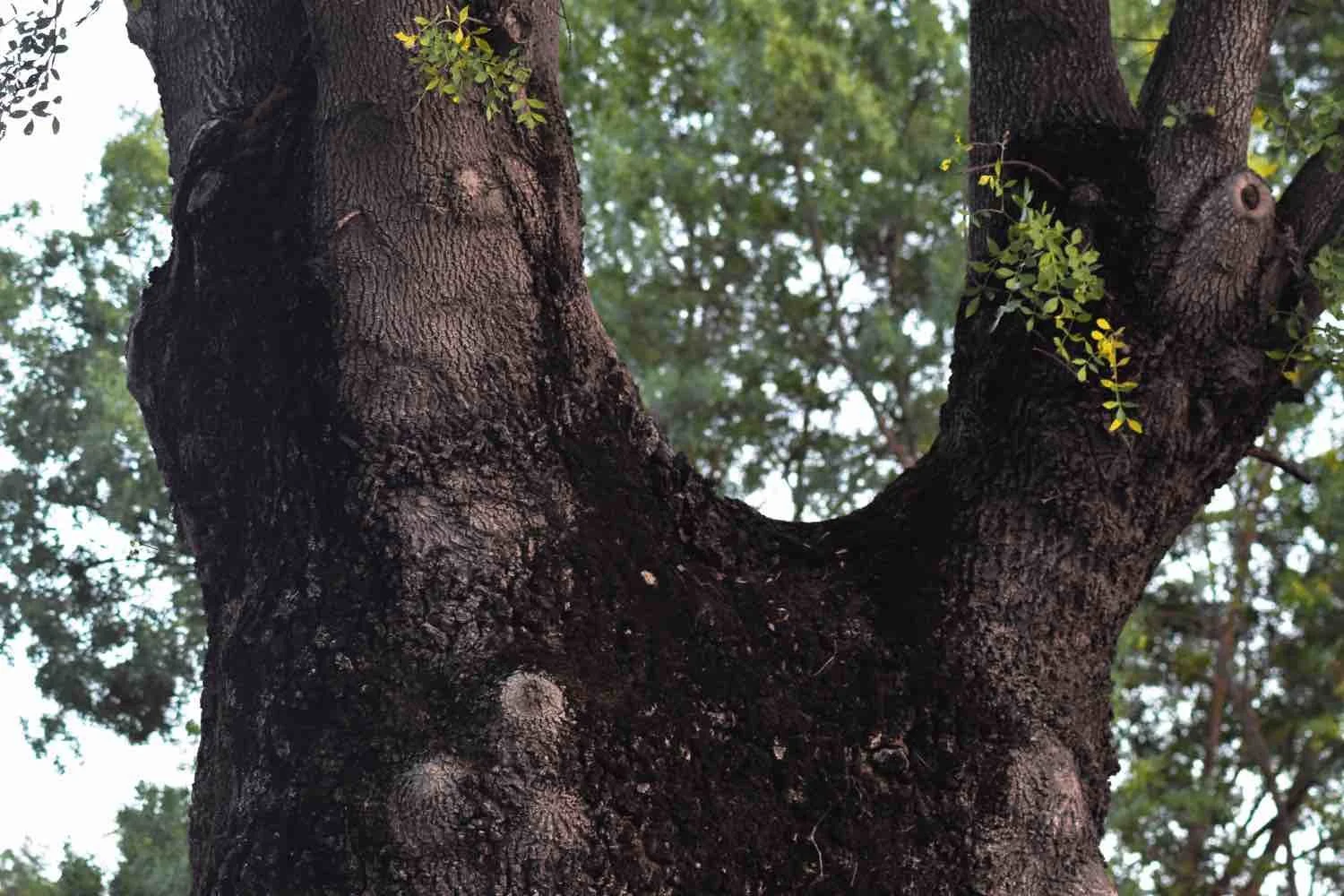
What to do if you own an Ash tree?
If you own an Ash tree which is close to a house, a road and areas used by the public, now is the time to start thinking about carrying out an ‘Ash Tree Inspection’. This will help with assessing your Ash trees condition, monitoring the changes over time, and have a plan in place for the expected loss of your ash trees.
Here at The Glasgow Tree Surgeon we can help by carrying out a tree inspection and plan the best course of action for you ash trees.
Further reading, related links and documents can be found here:
We are fully accredited, and make sure that we not only follow the health and safety laws but go beyond them.
We are fully insured, up to £5 Million for public liability. All insurance and training certificates can be provided if required.
contact
Our friendly, professionally trained teams are ready to discuss affordable options to ensure you get the best value on the market and we always work within your budget.
frequently asked questions
As with many specialist trades it’s often the case that people haven’t heard of an arborist until they need one.
-
As with many specialist trades it’s often the case that people haven’t heard of an arborist until they need one. Tree surgeons, also known as arborists, look after the health of trees right from the beginning tasks of tree planting and nurturing your trees to the removal of established trees. Arborists and tree surgeons will decided if a tree needs to be felled, or dismantled in sections, its health condition and appropriate action that can be taken to maintain and improve its shape within its surroundings.
Tree surgeons have a unique set of skills. They need to be be physically fit to climb up and down trees, be competent and qualified to use and maintain specialist equipment and machinery and keep up to date on the latest advancements. Tree surgeons need to use maths to work out the height of trees and be knowledgeable about the different types of tree and the various funguses and parasites.
Arborists and tree surgeons can study for a foundation degree, higher national diploma or degree and relevant courses include: forestry, arboriculture, countryside management, forest management, woodland ecology and conservation.
Being a tree surgeon is a dangerous profession and needs to be carried out by a qualified team. Risks include falling off or having a tree or branches fall on you. We work with dangerous machines and climbing and rigging equipment, a tree surgeon needs to be a qualified first aider and have the ability to perform a rescue if someone gets into difficulties whilst climbing a tree.
Tree surgeons must ensure the safety of the property and surroundings they are working within, most days we work in public spaces therefore we need rigorous health and safety assessments in place for each job to ensure the safety of the public, our workers plus the equipment and machines at all times.
Arborists and tree surgeons must be fully insured for public and employees liability insurance, if in doubt ask to see your tree surgeon’s insurance cover. Let's take a closer look at what a tree surgeon does.
INSPECTION
The first thing tree surgeons do is discuss a customers requirements and examine a tree and the surrounding area. The tree surgeon will assess if the tree is healthy, if there is any disease, and if the tree itself is a danger. The preliminary examination will determine what next steps can be taken.
PRUNING
If a tree can be saved, the tree surgeon will decide what type of surgery and tree reduction can be operated on the tree. As a general rule no more than 30% of a tree should be reduced at any one time. Limbs and branches that carry disease or have died will be pruned to keep the problem from spreading to the tree as a whole. Pruning a tree should be carried out by an experienced arborist as working at height can be a dangerous task involving using a rope and harness and a climbing chainsaw to reach limbs that are higher up on the tree.
Pruning is also done to remove weight from a tree and keep a tree at a suitable size for its surroundings. Heavier trees are more likely to fall in high winds or when the soil it is in become too saturated from rain to hold its weight. By cutting back or removing limbs altogether, it makes the tree significantly lighter and less likely to fall. Crown lifting, crown reduction and crown thinning are all part of the service.
FELLING TREES
When one of your trees has an infection that is too widespread, it must be removed. The same is true if your tree is infested with parasites. Another reason that your tree may need to be taken down is the threat of it falling on a structure, such as your house. In such cases, tree surgeons will carefully take down your tree a piece at a time to lessen the chance it could fall and do damage to your home or other trees and plants in your garden. You may also no longer want to have a tree for example you may be landscaping, building an extension to your property or from an aesthetic perspective you want to remove it.
-
You can have tree pruning and reducing services at any time of the year, however these services depend on the species of trees you have. Flowering trees that bloom in spring can be trimmed or pruned right after they flower. Those that bloom in summer have to be pruned in early spring. It is recommended to prune fruit-bearing trees during late winter to give them shape and allow sunlight to shine on the core of the tree.
Broad-leaf trees or shrubs without flowers are best pruned in the dormant season, during late autumn or winter. As for dead branches, these can be cut at any time of the year.
If in doubt ask your local arborist tree surgeon.
-
We cover the whole of Glasgow and all surroundings areas.
-
The cost of the work depends on the trees involved, no two trees are the same. Factors include the time it takes, type of labour involved, the specialist equipment used and the access to the site. We will undertake a site visit to work everything out and discuss the requirements with each customer before supplying our quotations.
-
We aim to respond to customers on the same day that they have contacted us. We will visit the site to assess the work and provide a free quotation. We work all year round unless there are high winds or severe weather.
-
Once the trees are removed, we will leave a level stump an inch above the ground. If you require the stump removal, we will bring a stump grinder to grind the stump down below ground level and out of sight.
-
Yes, we will take away all waste, turning branches into woodchips though our woodchipper which are used for biomass fuel. We will take away logs which are dried and re used. If you wish to keep the woodchips or logs, we can leave these with you.
-
Yes, The Glasgow Tree Surgeon is fully insured, up to £5 million Public Liability Insurance and £10 million Employers Liability cover. All staff are first aid accredited and qualified NPTC (National Proficiency Test Council), with an onus on continuing professional development.
-
At The Glasgow Tree Surgeon we recognise the hazards of providing tree care services, we are fully insured to provide peace of mind to all our customers. All of our staff are qualified to carry out the techniques needed and use the equipment on site. If required, we perform safety procedures and work together as a team ensuring the safety of everyone.
-
There are 24 conservation areas across Glasgow, if you live in a conservation area or suspect a tree is covered by a TPO (tree preservation order) any work will need the approval from the local councils Tree Preservation Officer. We can advise you ahead of submitting an application and we can also take on the application process for you directly with the council. Once an application is submitted the council’s TPO will visit the tree and respond to the application with his or her’s decision, this typically takes between 4-6 weeks.